Lisbon Travel Guide – Explore This Magical City
Lisbon is chaotic and calm all at once – a city that never tries too hard, because it doesn’t need to. This Lisbon travel guide isn’t just another checklist of monuments and museums – it’s the story of how I experienced one of Europe’s most soulful cities.
The first time I saw Lisbon, I didn’t just see a city – I felt it breathing.
The air was salty, the roofs sun-baked, the trams hummed like bees on the hills. This Lisbon travel guide will help you plan your trip – from where to stay in Lisbon to the best things to do and eat, all wrapped in a story that feels personal.
The Story Beneath the Tiles 💔
You’ve probably read in other blogs about the earthquake – the tragedy that almost erased Lisbon in 1755.
But in case this is your first Lisbon travel guide, here’s the piece of history you should know.
That 1st November Saturday morning, a massive earthquake and tsunami struck Portugal’s capital, destroying nearly everything from the river to the hills. Fires followed. Churches collapsed. Silence lingered for days.
And yet, Lisbon refused to die.
Within years, it was rebuilt – rational, resilient, reborn. The new Baixa district became Europe’s first example of earthquake-resistant city planning.
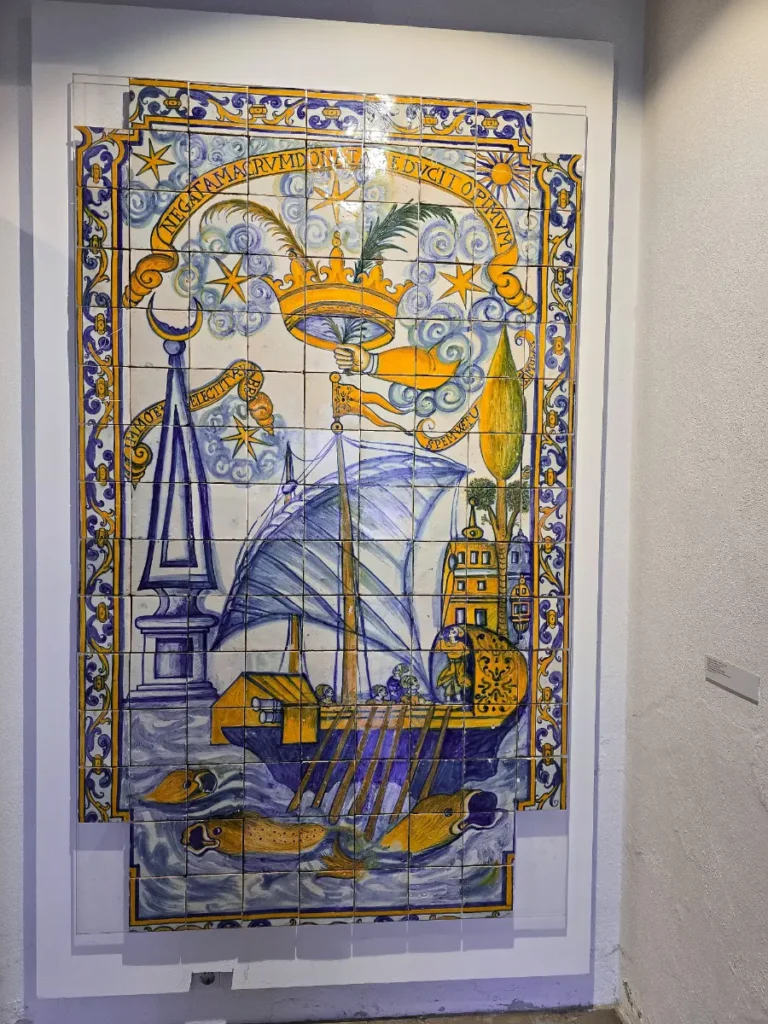
If you want to see how Lisbon looked before the disaster, visit the Museu Nacional do Azulejo – the Museum of Tiles.
Among its blue-and-white mosaics, there’s a panoramic mural showing Lisbon as it once was, calm and golden, moments before the earth split open.
Even today, reminders of that tragedy remain – across Lisbon you’ll notice small signs showing where to go if a tsunami strikes again. It’s a quiet but powerful symbol of how this city never forgets, yet keeps moving forward.
That contrast – fragility and strength, tragedy and rhythm – still defines the city today.
How to Get from Lisbon Airport to the City Center
Lisbon Airport (LIS), officially Humberto Delgado Airport, is small, efficient and only about 7 km from downtown – one of Europe’s most conveniently located capitals.
You’ll find free Wi-Fi, clear signage and friendly staff who actually enjoy helping lost travelers (a rarity!).
Getting from Lisbon Airport to the city center is quick and easy — you have several options depending on your budget and comfort level:
🚇 By Metro
The metro is the cheapest and often the fastest option during daytime.
Take the Red Line (Linha Vermelha) from Aeroporto station and transfer at Alameda or S. Sebastião to reach central stops like Baixa-Chiado or Marquês de Pombal.
💰 Cost: about €1.80 (+ €0.50 for the Navegante card)
⏱ Time: 25-30 minutes
🚌 By Aerobus or Local Bus
The Aerobus is comfortable, has space for luggage and connects both terminals with key areas such as Cais do Sodré and Avenida da Liberdade.
It runs roughly every 20 minutes from 7 a.m. to 11 p.m.
💰 Cost: €4-5 one way (buy onboard or online)
⏱ Time: 30-40 minutes depending on traffic
Local buses 708, 744, 783, and 100 connect the airport to other districts, but they can get crowded and don’t allow bulky luggage.
🚖 By Bolt or Uber
If you’re arriving late or carrying heavy bags, Bolt and Uber are lifesavers.
You can order directly from your phone once you exit the terminal – there’s a clearly marked pickup area outside Arrivals.
💰 Cost: €10-15 to central Lisbon (Rato, Baixa, Alfama)
⏱ Time: 15-20 minutes
Tip: Bolt is usually 10–15 % cheaper than Uber, but both are reliable and cash-free.
Lisbon Card – Is Lisbon Card Worth It and Why It’s Your Best Travel Companion
I’ll be honest – I was skeptical at first.
Usually, city cards sound amazing on paper but end up costing more than they give back. So, before buying the Lisbon Card, I spent a good half hour doing the math, comparing prices for trams, metro, and museum tickets.
If you’re asking yourself the same question – is the Lisbon Card worth it? – here’s my short and honest answer: yes, it absolutely is.
I used it nonstop during my trip, and it saved both money and time.
The Lisbon Card covers almost all public transport – metro, buses, trams, elevators, ferries and even trains to Sintra and Cascais.
But that’s just the start. You also get free entry or discounts to more than 35 attractions, including:
- Jerónimos Monastery (ticket alone is €10)
- Belém Tower (€8)
- Santa Justa Lift (€5.30)
- National Tile Museum (€5)
- Archaeology Museum, Lisboa Story Centre, and more
If you visit just two or three of these places in one day, the card has already paid for itself. Here you can check the list of included attractions in Lisboa Card.
You can choose between 24, 48 or 72-hour cards, depending on how long you’re staying.
I got the 72-hour Lisbon Card and it turned out to be the perfect balance for a 3-day trip – I used it for sightseeing and for the train ride to Sintra.
You can buy it online in advance and pick it up at Lisbon Airport, Ask Me Lisboa kiosks, or main metro stations like Rossio and Comércio Square.
Tip: Get your Lisbon Card here – skip the lines and start using it the moment you land. Also, on this website is the cheapest.
So yes, I started as a skeptic, but I ended up recommending it to everyone reading this Lisbon Travel Guide. Once you have it, Lisbon suddenly feels easier – like the city is quietly opening doors for you.
Getting Around Lisbon
I usually like to have a car wherever I travel – it gives me freedom and flexibility. But Lisbon was one of the rare cities where I didn’t even want one.
Between the narrow streets, steep hills, and limited parking, driving here feels more like a challenge than an adventure.
Lisbon is best explored on foot – or rather, on foot and tram.
Forget about parking apps and Google maps. Instead, embrace the rhythm of public transport and use Bolt or Uber for uphill climbs or late-night rides.
Tip: I know I have already mentioned in this Lisbon travel guide, but Bolt is incredibly affordable – especially if there are two or three of you. In many cases, it costs less than public transport and gets you there faster.
Public Transport in Lisbon
If you have the Lisbon Card, congratulations – you’ve just unlocked free access to almost all city transport.
That includes the metro, buses, trams, elevators, ferries and even trains to Sintra and Cascais. You can simply tap the card at the gates and go.
If you don’t have the Lisbon Card, you’ll need a Navegante card, which you can buy and top up at any metro station.
It costs €0.50 for the reusable card, and each metro or tram ride is about €1.80.
How to load Navegante card
You can load the Navegante card in three ways, depending on what you need:
- Single tickets:
- Choose “Zapping” or “1 journey” on the machine.
- Each metro/tram/bus ride = €1.80.
- 24-hour pass:
- Costs €6.80 and includes unlimited rides on metro, trams, and buses (within central zones).
- Great if you’ll be using transport often in a single day.
- Zapping credit:
- Preload an amount (€3-€20).
- Each ride then costs a discounted price (~€1.61 per trip).
- The credit never expires.
Machines have an English option, and they accept both coins and cards (Visa/MasterCard).
But honestly, if you plan to use transport more than a few times a day, the Lisbon Card works out cheaper and much simpler – no ticket lines, no topping up, just tap and ride.
The Famous Tram 28
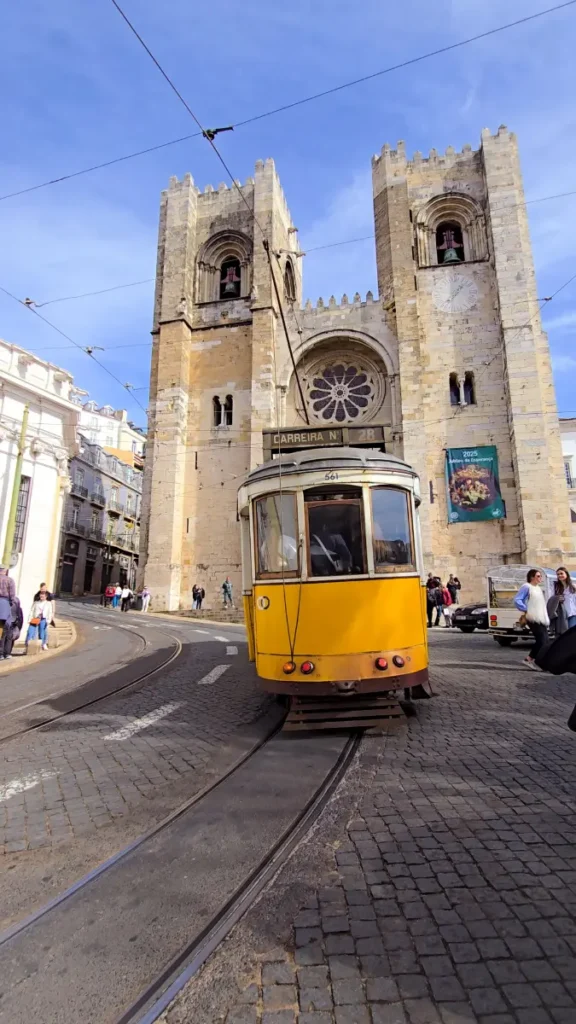
Yes, it’s touristy. And yes, you’ve probably seen it all over Instagram and TikTok – the little yellow tram winding through Alfama like a movie scene.
So let’s be real: you’ll probably want to ride it too, and that’s perfectly fine.
But here’s my advice: don’t chase it.
Don’t waste an hour standing in line at the first stop in Martim Moniz. Just wander through the city, and if you spot it coming down the street – hop on.
If you miss it, you can take Tram 12E, which follows almost the same scenic route but is far less crowded.
The Tram 28 route runs between Martim Moniz (near the city center) and Campo de Ourique, passing through Lisbon’s most charming neighborhoods – Graça, Alfama, Baixa and Estrela.
You’ll see tiled facades, laundry-draped balconies, and street corners that look frozen in time.
Tip: Sit on the right-hand side for the best views, and keep an eye on your bag — pickpockets love this tram as much as tourists do.
Where to Stay in Lisbon
If you’re staying in Lisbon for just 2 or 3 days, the best choice is to book your hotel in the Baixa or Alfama districts – the two most central neighborhoods where everything is within walking distance.
Here, you’ll be surrounded by pastel façades, tiled walls, and the sound of trams echoing through narrow streets.
(You can check the map below to get a better idea of how Lisbon’s neighborhoods are spread out.)
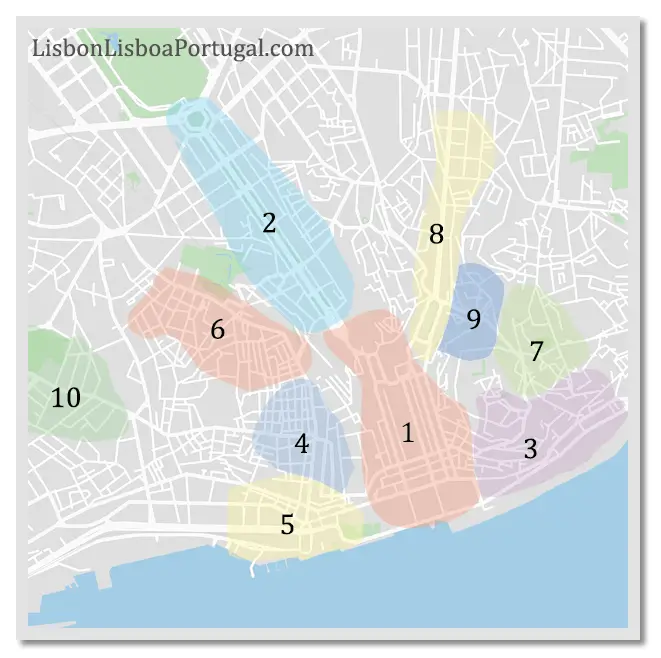
Tourist Areas of Central Lisbon
1) Baixa – The vibrant downtown area, full of shops, cafés, and elegant squares. Perfect for first-time visitors who want to be in the heart of everything.
2) Avenida da Liberdade – Lisbon’s most elegant boulevard, lined with designer stores and stylish hotels, often compared to Paris’s Champs-Élysées.
3) Alfama – The city’s oldest and most charming district, a maze of narrow streets, fado music and views from every corner.
4) Bairro Alto / Chiado – Famous for nightlife, rooftop bars and bohemian vibes. Great if you love evenings out and artistic energy.
5) Cais do Sodré – Once a rough port area, now one of Lisbon’s trendiest neighborhoods, filled with waterfront restaurants and cool bars.
6) Príncipe Real – Trendy, laid-back and full of boutique shops and lush gardens. Ideal for longer stays and a more local experience.
7) Graça – A quiet, authentic neighborhood on one of Lisbon’s highest hills, offering incredible views over the city.
8) Martim Moniz, Intendente & Anjos – Diverse and colorful areas known for street art, global food and affordable stays.
9) Mouraria – The birthplace of fado and one of Lisbon’s most multicultural neighborhoods, full of history and charm.
10) Estrela – Elegant and peaceful, home to the famous Estrela Basilica and a beautiful park where locals relax.
But if you’re staying a little longer – four days or more – then it’s worth looking beyond the tourist core. That’s when you start to feel the real Lisbon.
During my first visit, I stayed right in Baixa, and while it was incredibly convenient, it was also packed with tourists from morning till night. On my second visit, I chose Príncipe Real, near Rato metro station, and that changed everything.
Rato is, without exaggeration, my top recommendation for where to stay in Lisbon.
It’s calmer, full of local restaurants, cool boutique shops, and big supermarkets (which is always a plus).
It’s also flatter than Alfama or Bairro Alto, meaning you won’t be climbing steep hills every time you go out for breakfast.
Tip: Rato connects easily by metro, tram and bus to Baixa and Alfama, so you can explore the historic center anytime without giving up peace and comfort.
Lisbon Accomodation
Lisbon offers something for every traveler – from boutique hotels in Alfama to stylish apartments near Rato or modern stays along the river. Here are some excellent options to check out:
Hotel de Baixa – beautifully designed, right in the heart of downtown Lisbon.
Casa do Barao – a guest favorite in Chiado, with a local touch and peaceful vibe.
Brasilia – Affordable accomodation close to the center.
Claude Homes Lisbon Rato – I spent few days here and I love it.
Things to Do in Lisbon – Lisbon Travel Guide
If there’s one thing you’ll never run out of in Lisbon, it’s places to explore.
Every neighborhood hides a story, a secret viewpoint, or a café where you’ll want to stay longer than planned.
I didn’t visit Lisbon with a strict plan – I wandered. I followed the sound of trams, the smell of coffee, and sometimes just the direction of sunlight bouncing off blue tiles.
Still, there are places that completely won me over – and if you’re visiting for the first time, these are the ones you simply shouldn’t miss.
Below, I’ve grouped my favorite things to do in Lisbon by area, so you can easily plan your days or adjust them to your itinerary.
Belém – A Journey Through Lisbon’s Golden Age
Belém is the district of explorers – the place where Portugal’s ships once sailed off to discover the world.
It’s also where you’ll find some of the most iconic landmarks in Lisbon.
Start with the Jerónimos Monastery – it’s the one attraction where waiting in line is 100% worth it. The architecture is breathtaking, and every detail tells a story of Lisbon’s Age of Discoveries.
From there, walk to the Belém Tower, once a fortress, now one of the city’s proudest symbols, standing guard by the river.
Don’t miss the Monument to the Discoveries, which celebrates Portugal’s explorers and offers stunning views from the top.
Nearby, you’ll find the National Coach Museum, a unique collection of royal carriages that feels straight out of a fairy tale.
And of course – no visit to Belém is complete without a stop at Pastéis de Belém, the birthplace of Portugal’s famous custard tarts. The smell alone will guide you there.
LX Factory and Beyond – The Modern, Creative Side of Lisbon
A short tram or taxi ride from Belém takes you to LX Factory, one of Lisbon’s coolest creative districts.
It’s a former industrial complex now filled with art galleries, design shops, book cafés, rooftop bars, and small ateliers.
It’s especially beautiful in the late afternoon when the sunlight hits the red bridge above and the whole place glows gold.
While you’re in the area, visit MAAT – the Museum of Art, Architecture, and Technology. Even if you’re not a museum person, its futuristic architecture by the river is worth the stop.
If you love local crafts, stop by Surrealejos, a little shop selling handmade tiles with a fun modern twist.
Later, walk along the Riverside Promenade – it feels like the Portuguese version of Beton Hala in Belgrade, with relaxed bars and people watching the sunset.
Hungry? Head to the Time Out Market, Lisbon’s most famous food hall, where top local chefs serve everything from octopus salad to chocolate mousse.
Right behind it, I found O Gaiteiro, a cozy restaurant with amazing Portuguese comfort food – a spot I’d recommend to anyone.
Skip this: Pink Street – it’s Instagram-famous but honestly not that special in person.
Baixa and Alfama – The Historic Heart of Lisbon
This is Lisbon’s soul – and where you’ll probably spend most of your time if it’s your first visit.
Baixa, the downtown area, is elegant and symmetrical, rebuilt completely after the earthquake.
Alfama, on the other hand, survived – its maze of streets still feels medieval and alive.
Start your walk in Praça do Comércio, the grand square by the river, and climb the Arco da Rua Augusta for incredible views of the city.
Then wander toward Cais das Colunas, where locals sit on the marble steps watching ferries glide by.
Stop at Bifanas do Alonso for a classic Portuguese pork sandwich – simple, cheap, and delicious.
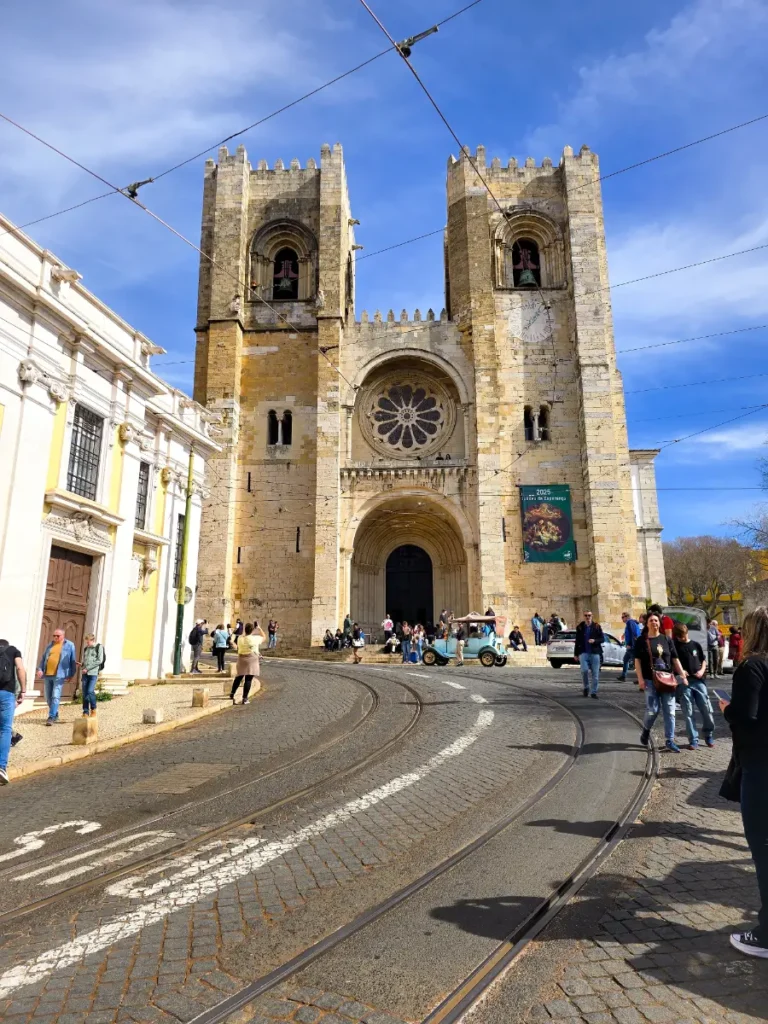
Visit the Lisbon Cathedral (Sé de Lisboa), the city’s oldest church, and then keep climbing to São Jorge Castle, which offers the best panoramic views of the city.
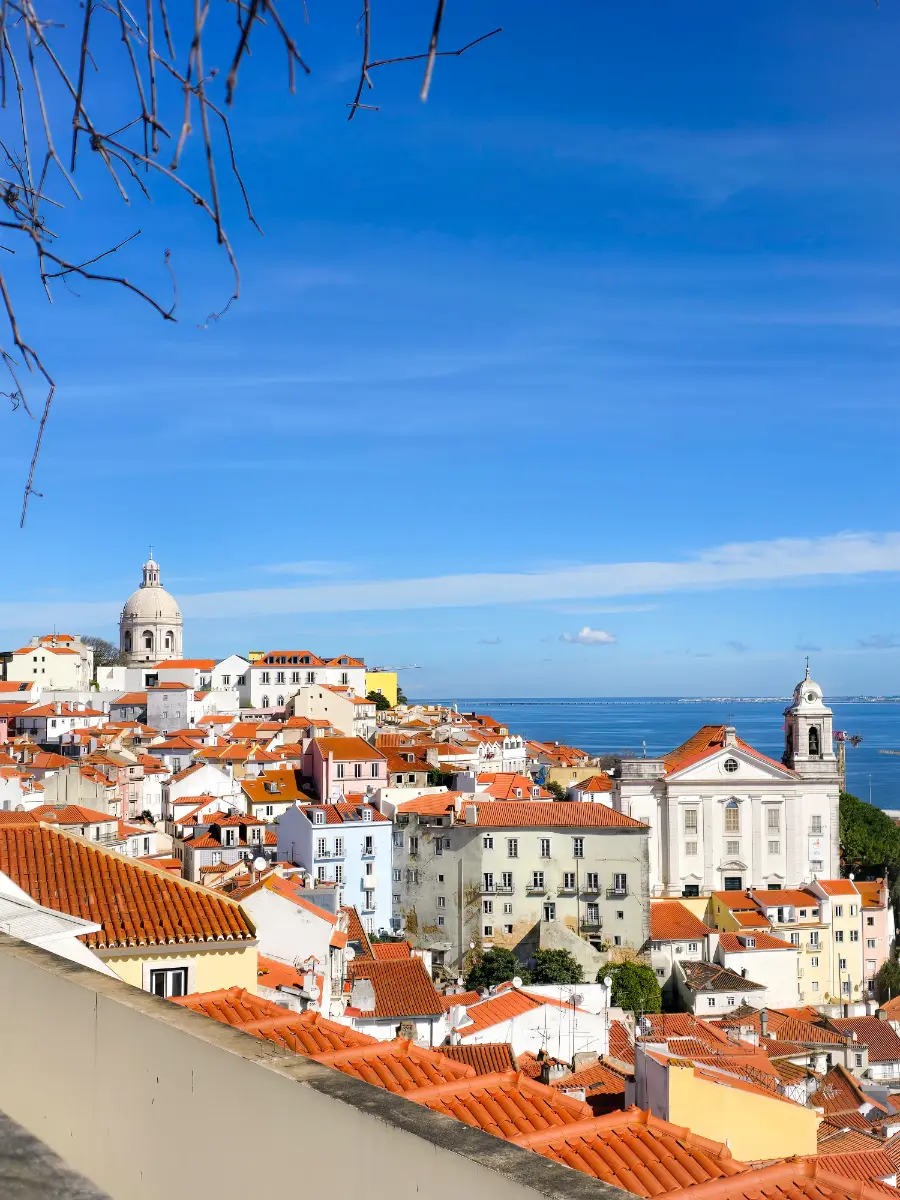
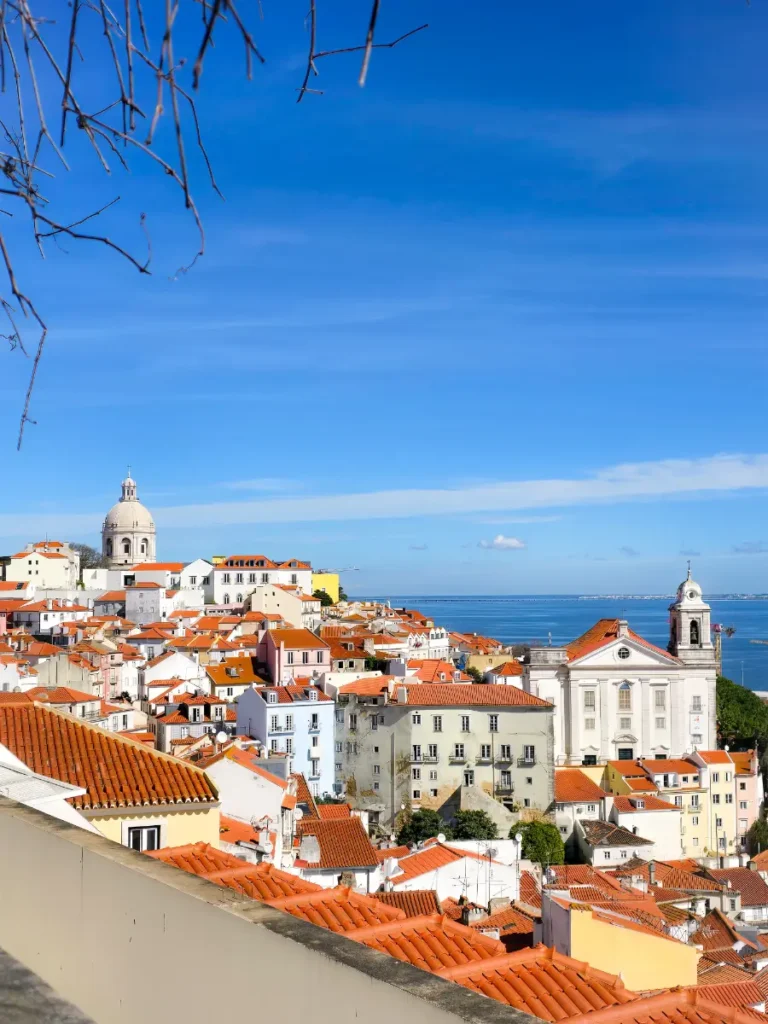
Along the way, make sure to pause at Miradouro de Santa Luzia – one of the most beautiful viewpoints in Lisbon.
You’ll recognize it immediately: blue tiles, pink flowers, and a view that sums up the entire city.
Before sunset, visit the Carmo Convent in Chiado – its roof collapsed in the 1755 earthquake, but the open Gothic arches still stand as a hauntingly beautiful reminder of Lisbon’s past.
Each corner of Lisbon offers something different – history, creativity, food, or just a place to pause and watch the trams go by.
And that’s the beauty of this city: it’s not about ticking off sights, it’s about feeling it – street by street, miradouro by miradouro, pastry by pastry.
Eat & Drink in Lisbon
Let’s start with the truth: Portuguese cuisine is easily one of the best in the world.
It’s simple, honest, and full of flavor – proof that great food doesn’t need to be complicated.
From fresh seafood grilled right by the ocean to rich meat dishes, creamy pastries, and olive oil that tastes like liquid gold – Portugal never disappoints, and this will tell you every Lisbon travel guide.
The best thing about eating in Lisbon is that you almost can’t go wrong.
Wherever you sit down, there’s a good chance the food will be excellent – even in the most unassuming local cafés.
Just be a little cautious in the main tourist areas like Baixa and Alfama, where some restaurants can look traditional but serve overpriced, average meals.
If the menu has photos and someone outside is trying to pull you in – that’s your sign to keep walking.
How to Find Great Restaurants (and Save Money)
One app you must download while in Lisbon is The Fork.
It works incredibly well here – you can browse restaurants, check ratings, and most importantly, book a table directly through the app instead of waiting in long lines outside popular places.
But here’s the best part: many restaurants offer up to 50% discount on your final bill when you book through The Fork. Book with my referral code 85145601 and you’ll get 2000 Yums= €50 off your next meal!
You can find the best offers by filtering results with “Offers” or “50% off.”
Once you reserve, you simply show up at your chosen time, and the discount is automatically applied to your check.
It’s such an easy way to enjoy Lisbon’s best food without overpaying.
Tip: Download The Fork app before your trip – it works like magic in Lisbon and often helps you discover amazing local spots that aren’t packed with tourists.
My Restaurant Recommendations
I’m not a fan of generic food lists — these are all places I’ve personally visited, loved, and would happily go back to:
- 🥩 La Paparrucha – A fantastic steakhouse with a breathtaking view over Lisbon.
- 🦪 Moules & Gin – If you love mussels and gin, this is your dream combo.
- ☀️ Jamie Oliver Rooftop – Great food, great drinks and a view worth staying for hours.
- 🥩 Dona Maria – Brazilian-style steaks, juicy and full of flavor.
- 🍸 Rocco – The most exclusive restaurant in Lisbon, elegant from start to finish.
- 🌊 Taberna da Praça (Cascais) – Worth the short trip! Set in a charming square with seafood that tastes like summer.
- 🥐 Kopenhagen Cafés – You’ll find them all around the city. I still can’t decide what’s better – their food or their pastries.
And when it comes to drinks – this Lisbon travel guide will say just one word: Vinho Verde.
It’s light, slightly sparkling, and perfectly refreshing after a day of walking Lisbon’s hills.
3-Day Lisbon Itinerary – From Golden Discoveries to Hidden Hills
If you’re wondering how to fit all the best things to do in Lisbon into just a few days, here’s my tried-and-tested itinerary – the one that made me fall in love with the city. This Lisbon travel guide balances iconic landmarks, day trips and those little Lisbon moments that stay with you long after you leave.
Day 1 – The Golden Age of Discoveries (Belém, MAAT & LX Factory)
Start your Lisbon adventure in Belém, the district where Portugal’s great explorers once set sail.
Begin at Jerónimos Monastery, a masterpiece of Manueline architecture and one of Lisbon’s proudest landmarks. The line may be long, but it’s absolutely worth it – the carved cloisters and detailed stonework feel like a journey through history.
Next, stroll down to the Monument to the Discoveries. From the top, you’ll see the Tagus River stretching endlessly toward the Atlantic – the same view that guided the Portuguese ships centuries ago.
Continue along the river to the Belém Tower, once a fortress and now one of Lisbon’s most photographed spots. Then visit the Museu Nacional dos Coches (National Coach Museum), a surprisingly fascinating collection of royal carriages from the 16th to 19th centuries.
In the afternoon, walk or ride a short Bolt to MAAT – the Museum of Art, Architecture, and Technology. Even if you skip the exhibitions, the futuristic riverside building alone is worth the visit.
End your day at LX Factory, Lisbon’s creative heart – a former industrial complex turned into a hub of art, books, rooftop bars and design shops. Come here for sunset, a drink and dinner – it’s where locals and travelers unwind together.
Day 1 was crazy
These are not just Lisbon landmarks – they’re memories from my trip. If you’re building your own Lisbon travel guide, make sure to save a few of these spots.
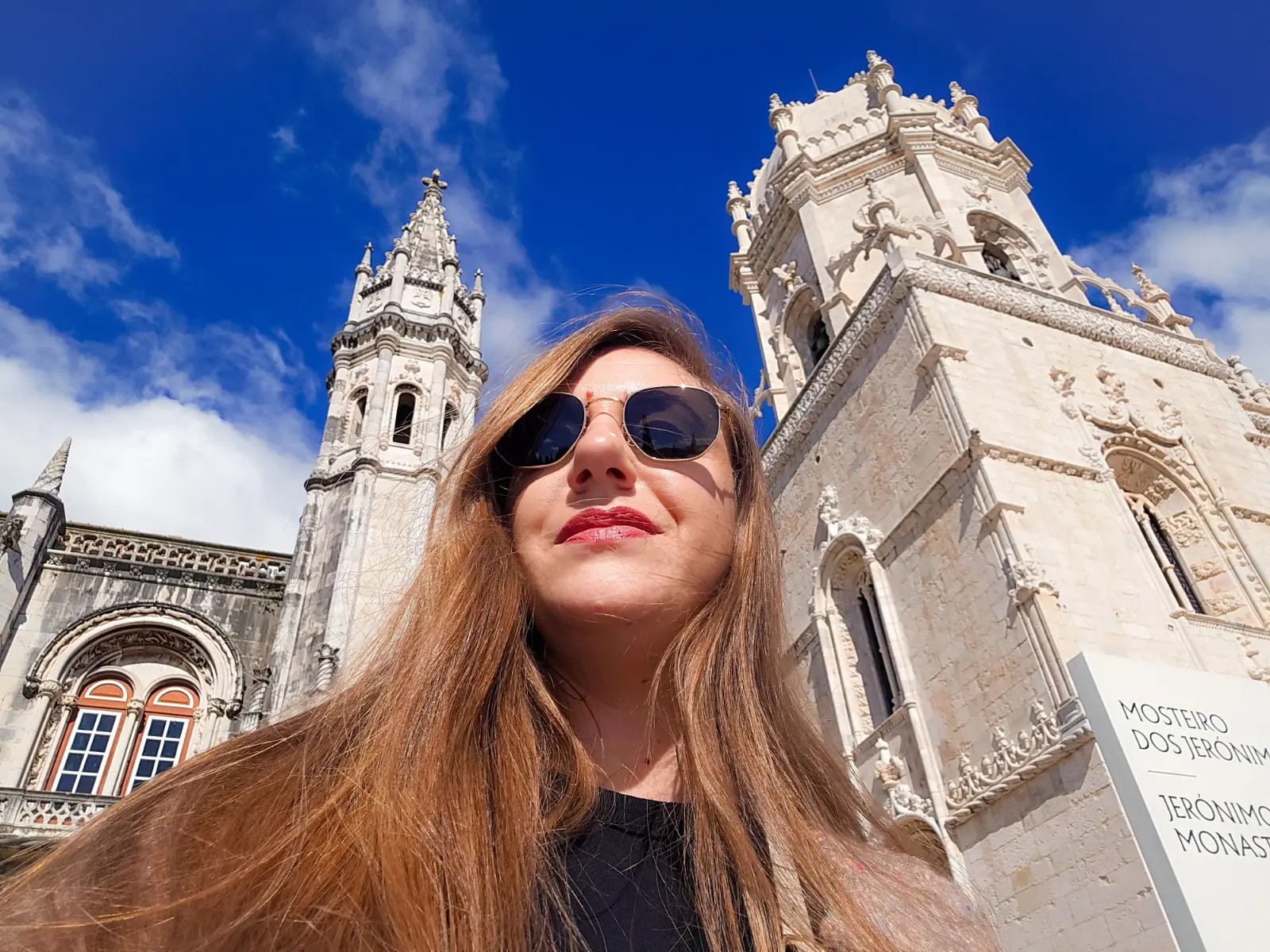

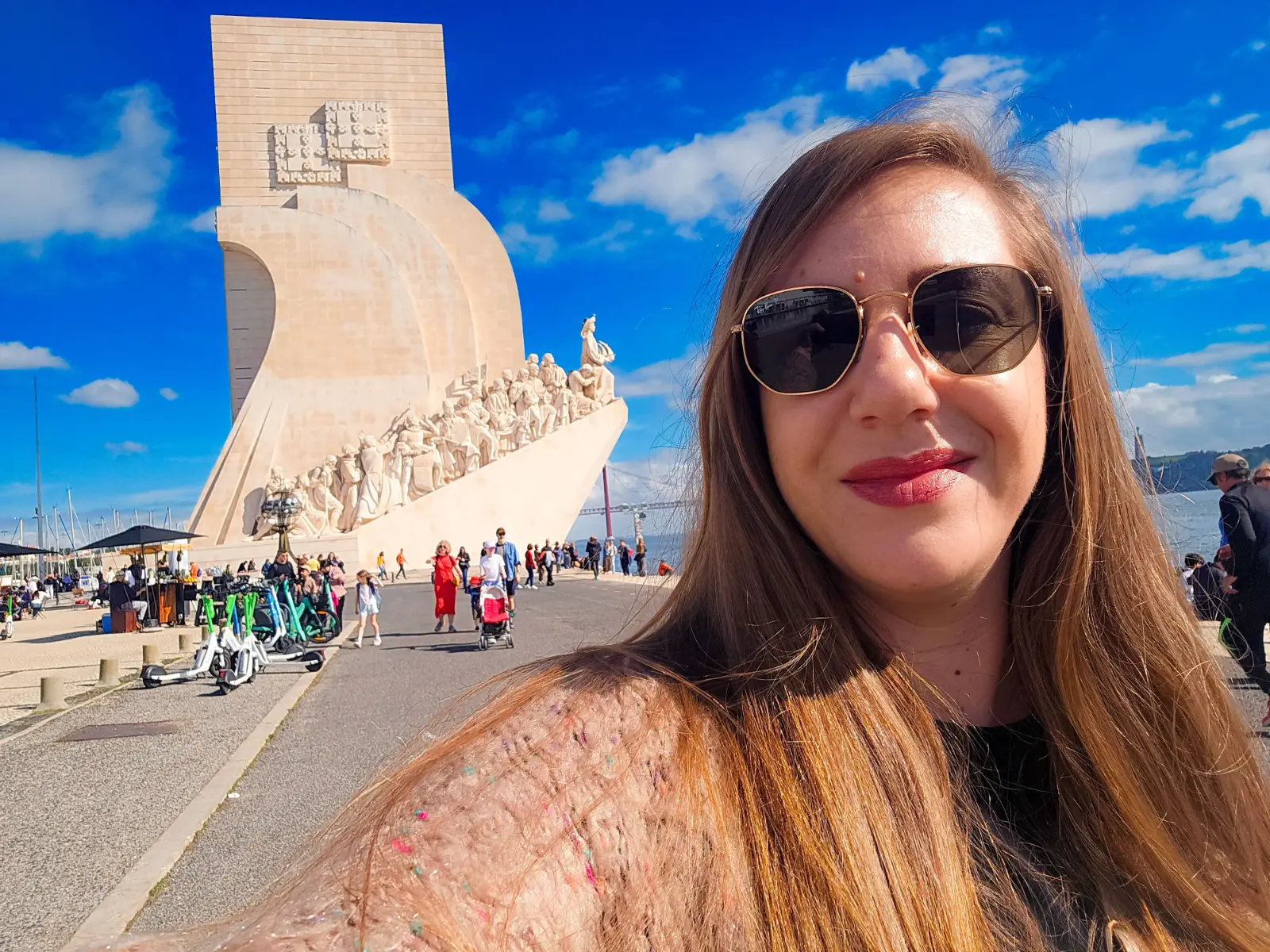



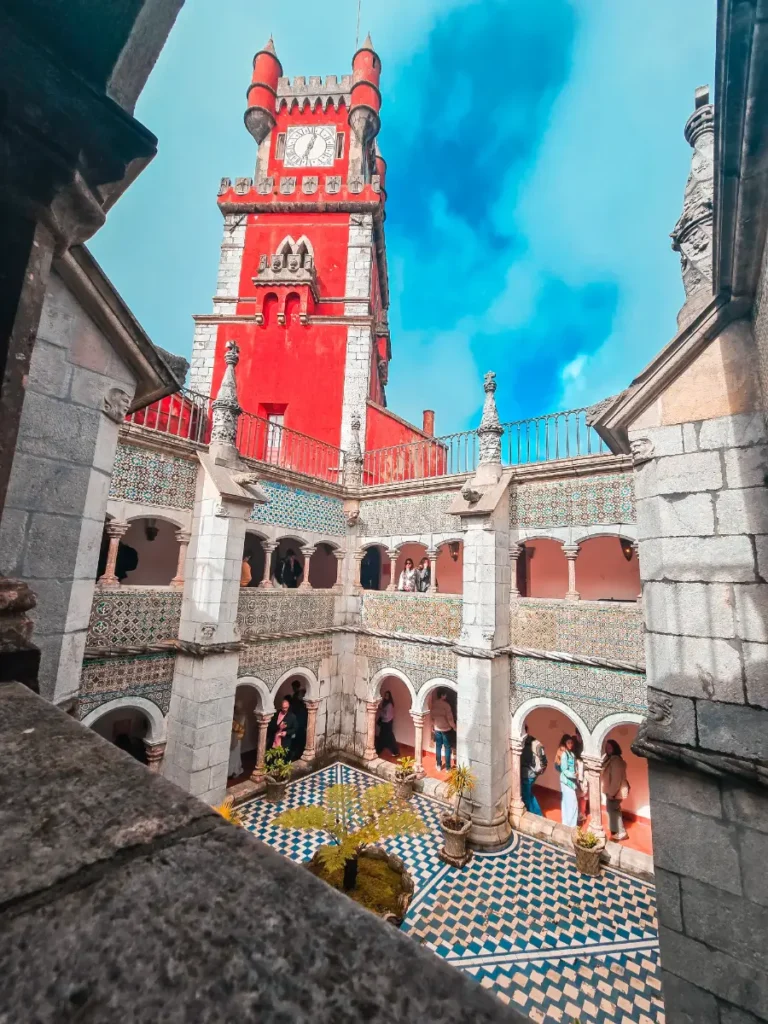
Day 2 – Fairytales and Clifftops (Sintra, Cabo da Roca & Cascais) – Day trips from Lisbon
Dedicate your second day to a magical Sintra day trip from Lisbon.
From Lisbon, take a train (covered by the Lisbon Card) to Sintra, a UNESCO-listed town that feels like a page from a fairytale.
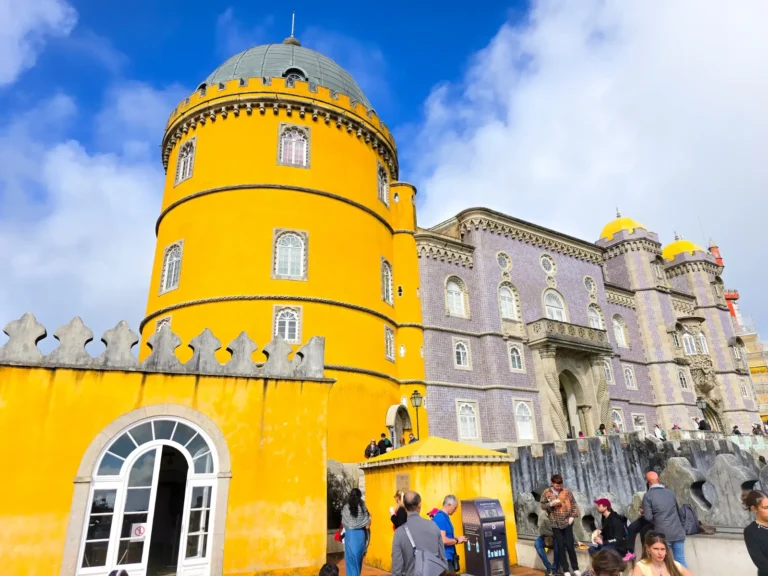
Start with the colorful Pena Palace, sitting high above the clouds. Then climb to the Moorish Castle — the views over the green hills are breathtaking.
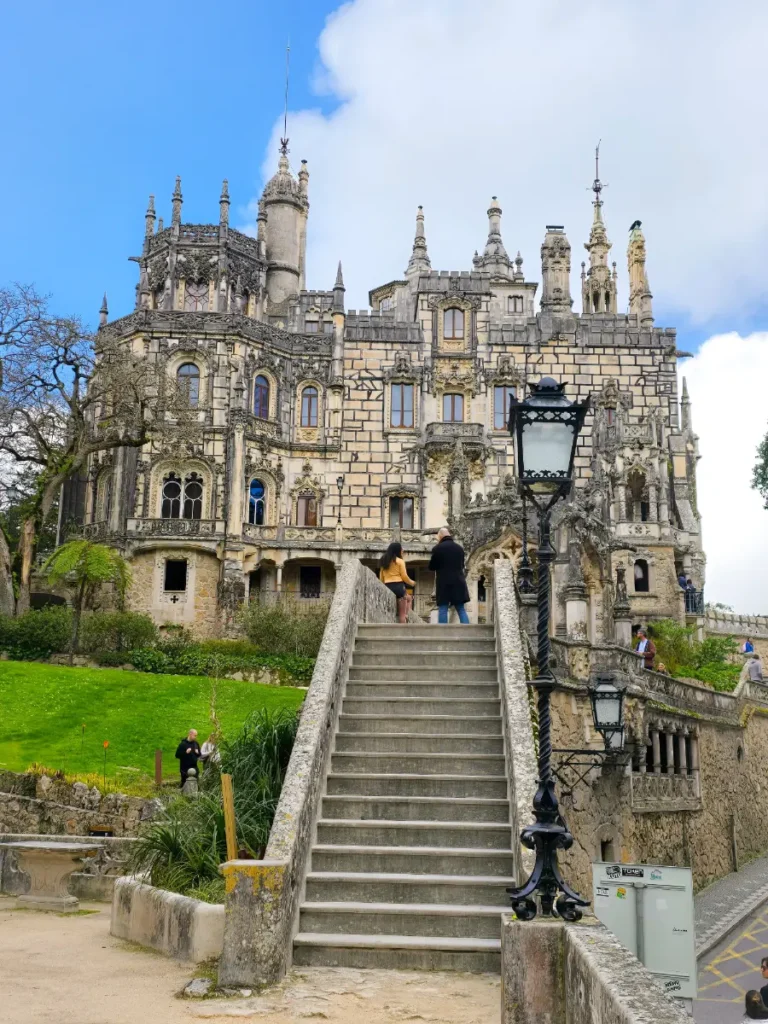
Afterward, wander through the mystical gardens of Quinta da Regaleira, filled with secret tunnels, grottoes and the famous Initiation Well. It’s one of the most atmospheric places you’ll ever visit.
In the afternoon, head to Cabo da Roca, the westernmost point of mainland Europe. Stand on the cliff edge, feel the wind, and watch the Atlantic crash below – it’s pure freedom.
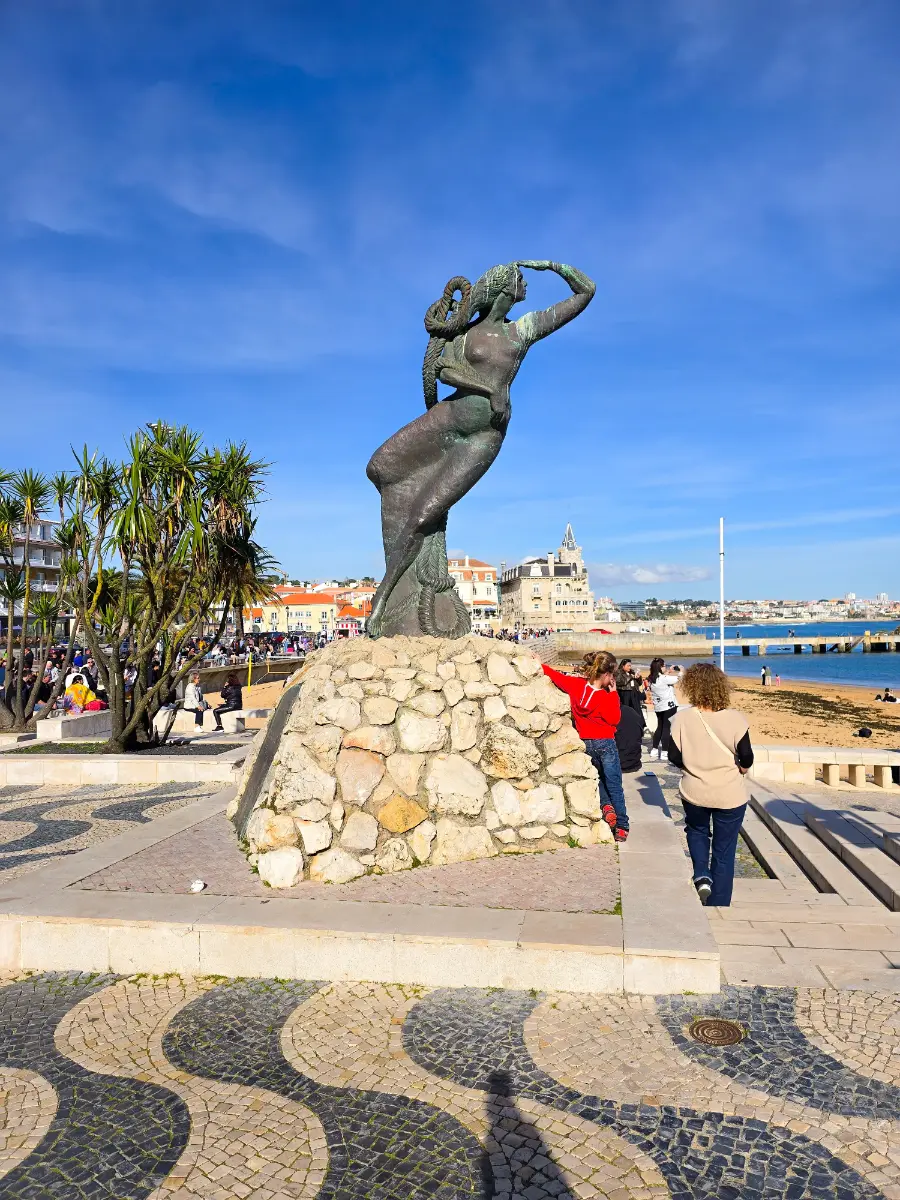
Continue to Cascais, a charming seaside town perfect for a late lunch or an early dinner by the water. Stroll along the marina, grab gelato, and take the train back to Lisbon as the sun sets.
Finish your day with a fado night in Alfama or Bairro Alto – the music, the wine and the emotion will make you understand Portugal on a deeper level.
Day Trip from Lisbon

Day 3 – The Soul of the City (Alfama, Baixa & Beyond)
If you have followed previous two days of my Lisbon travel guide, then spend your last day exploring the historic heart of Lisbon – the part that survived centuries of quakes and fires yet still beats strong.
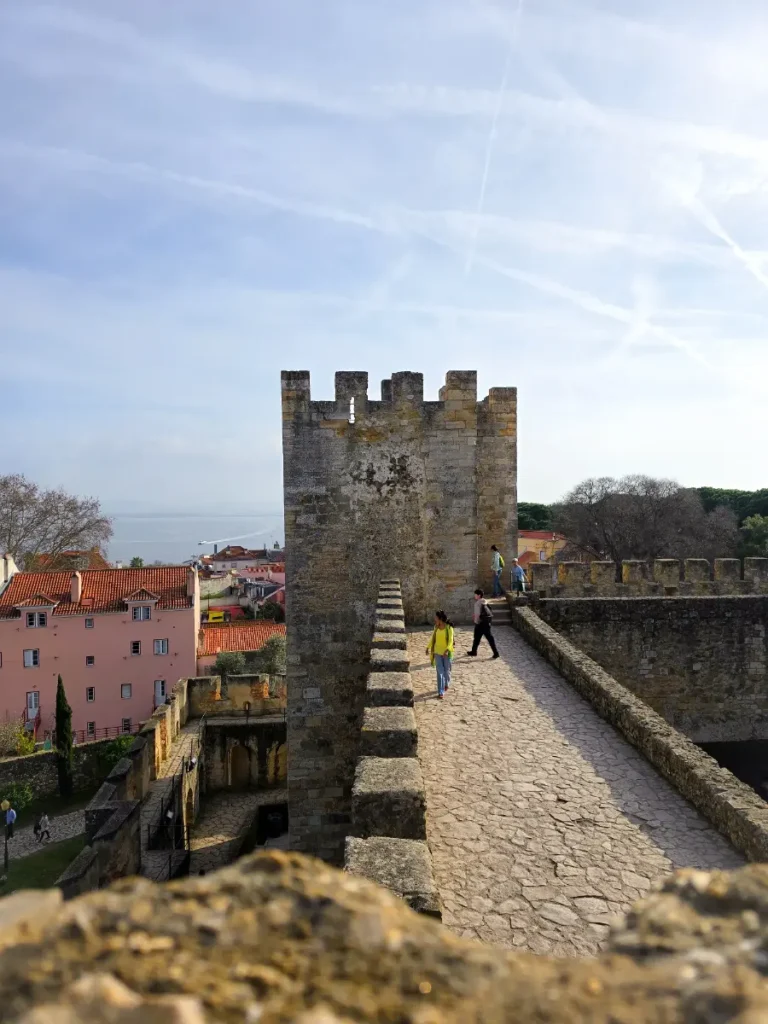
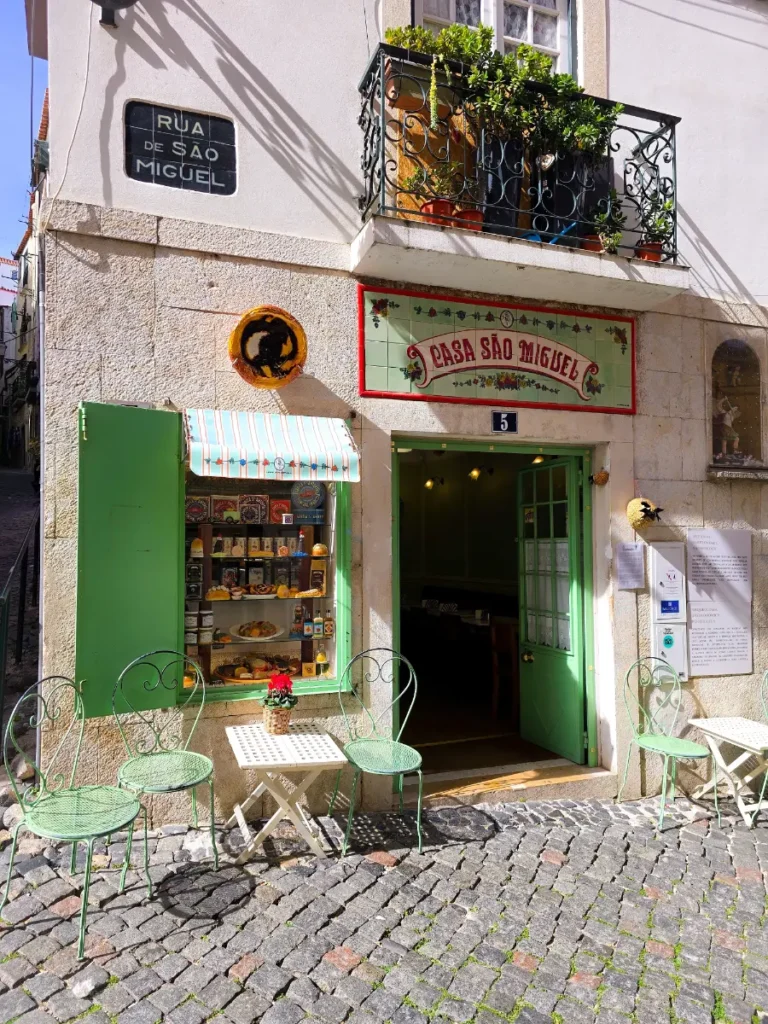
Start at the Castelo de São Jorge, rising above the city. The views are incredible, especially in the morning light. Then descend into Alfama, a labyrinth of cobbled streets, laundry lines, and locals chatting from their windows.
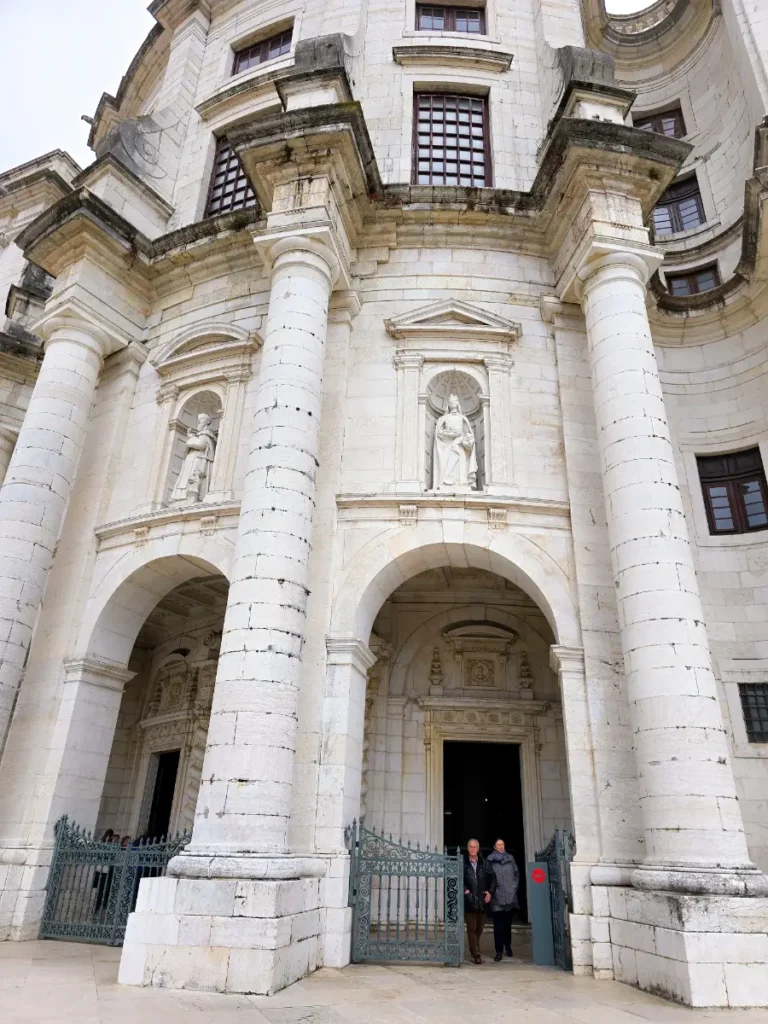
Visit the Lisbon Cathedral (Sé de Lisboa), the city’s oldest church, then walk toward the National Pantheon, where some of Portugal’s most iconic figures are buried.
Continue to Baixa and Praça do Comércio, the grand square facing the river. Climb the Arco da Rua Augusta for one last panoramic view of Lisbon’s red roofs and the sparkling Tagus below.
If you still have time before dinner, stop by the Museu Nacional do Azulejo (National Tile Museum) to see the evolution of Portugal’s iconic blue tiles – including a massive mural of Lisbon before the 1755 earthquake.

Bonus Time – Lisbon Oceanarium
If you have a few extra hours (or if it rains), head to the Lisbon Oceanarium in Parque das Nações. It’s one of the best aquariums in Europe – vast, peaceful and beautifully designed.
You’ll walk through four ocean habitats, from coral reefs to icy Arctic waters, and it’s an especially great stop if you’re traveling with kids or just need a quiet moment before your flight home.

Lisbon is one of those cities that stays with you long after you leave. Maybe it’s the sound of the tram echoing through Alfama, or the scent of freshly baked pastéis de nata that makes you want to come back again and again.
Whether you have one day or a whole week, Lisbon will find a way to surprise you – softly, beautifully and with a glass of vinho verde in hand.
If you like this Lisbon travel guide, then see you in the next article.